
Ozone Vibe GT Review: The Mid-B Paraglider That Changes Everything for Australian Pilots

The Ozone Vibe GT is a revolutionary mid-B paraglider designed specifically for Australian pilots seeking a perfect blend of performance and safety. This review delves into the unique features and specifications of the Vibe GT, highlighting its adaptability to various flying conditions across Australia. Many pilots face challenges in selecting the right gear that balances performance with safety, especially in diverse weather conditions. The Vibe GT addresses these concerns, offering a solution that enhances flying experiences. In this article, we will explore what makes the Ozone Vibe GT an ideal choice, how it balances performance and safety, its key features, detailed specifications, purchasing options, and how it suits different pilot skill levels.
What Makes the Ozone Vibe GT the Ideal Mid-B Paraglider for Australian Pilots?
The Ozone Vibe GT stands out as an exceptional mid-B paraglider due to its innovative design and performance features tailored for Australian flying conditions. This paraglider is engineered to provide stability and responsiveness, making it suitable for both novice and experienced pilots. The Vibe GT's wing design incorporates advanced materials that enhance durability while maintaining lightweight characteristics, crucial for optimal performance in varying weather conditions. Additionally, its safety features, such as improved stall resistance and enhanced glide performance, ensure that pilots can fly with confidence.
Understanding the intricate aerodynamic principles behind such designs reveals how crucial elements like internal pressure and airfoil optimization are for a paraglider's performance and safety.
Paraglider Airfoil Aerodynamics & Canopy Optimization
Paraglider sail (canopy) consists of a series of flexible boxes pressurized by special openings located at the leading edge, in the region near to the front stagnation point. Therefore, in order to avoid the deflation of the wing, the pressure inside the sail must remain above a certain threshold. To investigate this problem it has been considered an airfoil with a typical paraglider geometry, equipped with air intakes. The aerodynamic behavior was determined by performing experimental, Xfoil and CFD numerical analysis. Hollow models were made by a rapid prototyping and have been tested in a wind tunnel; forces and moments on the profile and the pressure inside the canopy were measured. The internal pressure of the canopy and the upstream pressure gradient of the inlet have been compared in the case of airfoil with and without inlets. The pressure inside the airfoil has been satisfactorily related with numerical estimations and, subsequently, a new airfoil shape, with a different configuration of the inlets, has been developed by using an optimization process based on a multi-objective genetic algorithm. The new shape optimizes the internal pressure, especially at low angle of attack.
Analysis on aerodynamic characteristics of a paraglider airfoil, 2016
How Does the Vibe GT Balance Performance and Safety for Mid-B Pilots?
The Vibe GT achieves a remarkable balance between performance and safety through its sophisticated design and engineering. Its performance metrics include a high aspect ratio that contributes to excellent glide efficiency, allowing pilots to cover greater distances with less effort. Safety features, such as a well-structured wing and responsive handling, enhance pilot confidence during flight. User feedback consistently highlights the Vibe GT's ability to handle turbulent conditions effectively, making it a reliable choice for Australian pilots who often encounter variable weather.
What Are the Key Features of the Ozone Vibe GT Wing Design?
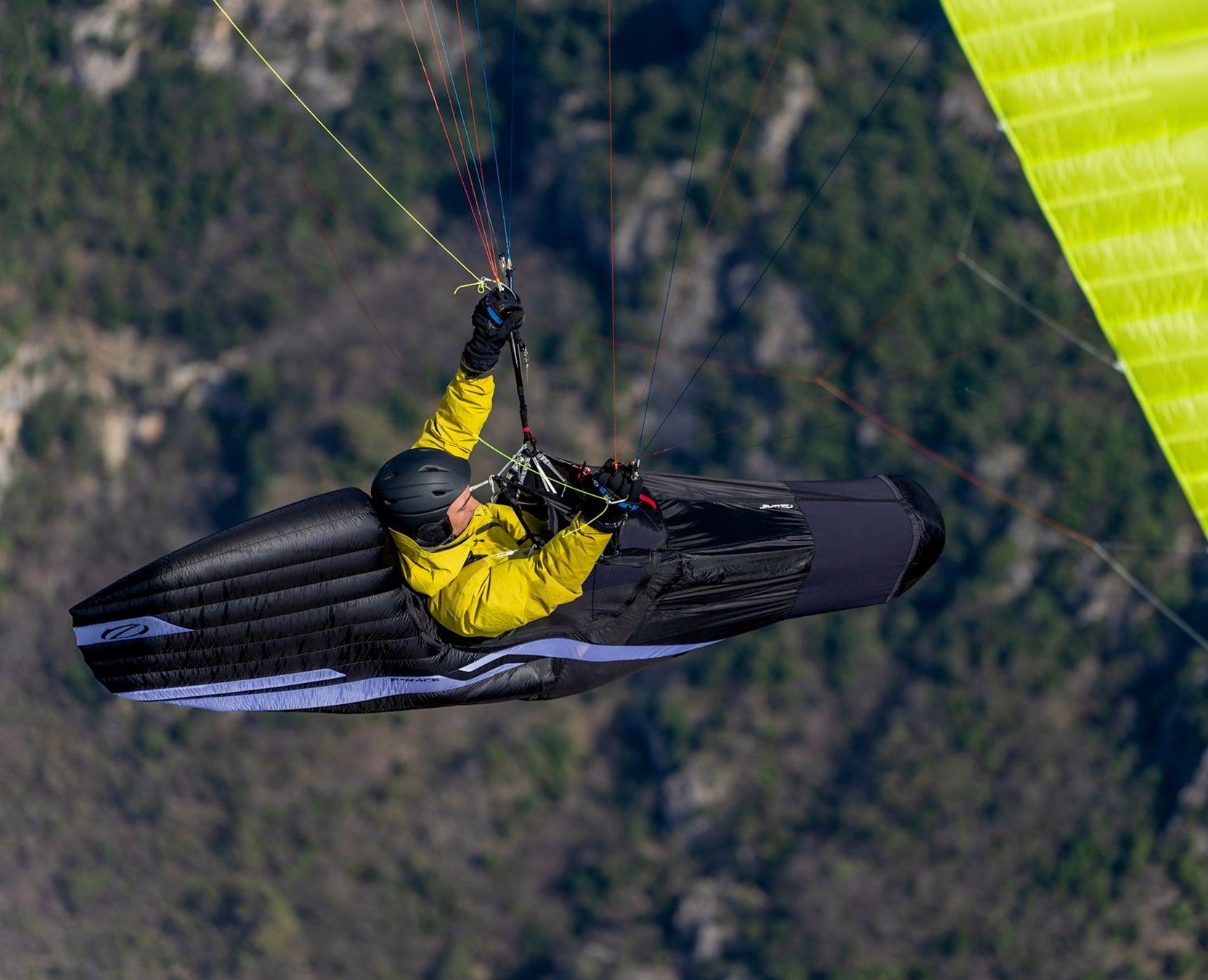
The wing design of the Ozone Vibe GT incorporates several key features that enhance its performance and safety. These include:
- Advanced Materials: The use of high-quality, lightweight fabrics ensures durability without compromising performance.
- Optimized Wing Shape: The wing's shape is designed to improve airflow, enhancing lift and reducing drag.
- Safety Enhancements: Features such as reinforced leading edges and a well-balanced weight distribution contribute to overall stability.
These features collectively make the Vibe GT a standout option for pilots looking for a reliable and high-performing mid-B paraglider.
Further research into paraglider aerodynamics highlights the complex challenges designers face in optimizing wing performance, particularly concerning drag, lift, and structural integrity.
Paraglider Aerodynamic Performance & Wing Deformation
An analysis of paraglider performance has revealed that wing section drag is the most significant contribution to overall drag. Wind tunnel measurements performed on two-dimensional hollow models indicate that intake drag is less significant than previously thought. The main cause of performance deterioration was found to be a significant reduction in section lift coefficient when compared to a similar solid wing section. This is believed to be mainly due to two factors: a large trailing edge separation and the deformation of the wing between ribs.
The aerodynamic performance of paragliders, H Babinsky, 1999
What Are the Detailed Specifications and Certification of the Ozone Vibe GT?
The Ozone Vibe GT is certified to meet stringent safety standards, ensuring that it is suitable for a wide range of flying conditions. Below is a table summarizing its key specifications:
| Specification | Value |
|---|---|
| Wing Area | 28 m² |
| Aspect Ratio | 5.4 |
| Weight Range | 75-100 kg |
| Certification | EN B |
These specifications highlight the Vibe GT's suitability for various pilot weights and its compliance with safety regulations, making it a trusted choice for paragliding enthusiasts.
Where and How Can Australian Pilots Buy the Ozone Vibe GT with Flexible Payment Options?
Australian pilots can purchase the Ozone Vibe GT through specialized retailers such as Paragliding Shop Australia, which focuses on providing high-quality paragliding equipment and expert advice tailored to local pilots. The purchasing process is straightforward, with options for flexible payment plans available to accommodate different budgets. Pilots can visit the store or contact them directly to explore their options.
What Payment Plans and Financing Are Available for Paragliding Gear in Australia?
When considering the purchase of paragliding gear, including the Ozone Vibe GT, several payment plans and financing options are available:
- Interest-Free Financing: Many retailers offer interest-free payment plans, allowing pilots to spread the cost over several months.
- Layby Options: Some stores provide layby services, enabling customers to reserve their gear while paying it off gradually.
- Trade-In Programs: Pilots can often trade in their old gear for credit towards new purchases, making upgrades more affordable.
These options make it easier for pilots to invest in high-quality equipment without financial strain.
How Does the Ozone Vibe GT Suit Different Pilot Skill Levels and Australian Flying Conditions?

The Ozone Vibe GT is designed to accommodate a wide range of pilot skill levels, from beginners to advanced flyers. Its forgiving nature and stability make it an excellent choice for novice pilots who are still mastering their skills. At the same time, experienced pilots appreciate its performance capabilities, allowing for more dynamic flying experiences. The Vibe GT's adaptability to various Australian flying conditions, including coastal breezes and thermals, further enhances its appeal across different skill levels.
How Do Australian Paragliding Conditions Influence Wing Selection?
Australian paragliding conditions are characterized by diverse weather patterns, including strong winds and thermal activity. These factors significantly influence wing selection, as pilots must choose equipment that can handle such variability. The Ozone Vibe GT is particularly well-suited for these conditions due to its robust design and performance features. Pilots are advised to consider the following when selecting a wing:
- Wind Conditions: Choose a wing that offers stability in turbulent winds.
- Thermal Activity: Opt for a design that maximizes lift and glide efficiency in thermals.
- Pilot Experience: Select a wing that matches the pilot's skill level to ensure safety and confidence during flight.
By understanding these factors, pilots can make informed decisions that enhance their flying experiences.
