
Paragliding vs Parasailing in Australia: Which Adventure Sport Should You Try First?
By Tim Sabre, Paragliding Shop
Australia offers diverse landscapes perfect for adventure sports, making it an exciting destination for both paragliding and parasailing enthusiasts. While both activities provide thrilling experiences, understanding the distinctions can help you choose the one that suits you best. This article explores the differences between paragliding and parasailing, key safety considerations, and the best locations for each, giving you all the info you need to make a relaxed and informed choice. Whether you’re a beginner or just after a new adventure, there’s something here for you.
Differences Between Paragliding and Parasailing
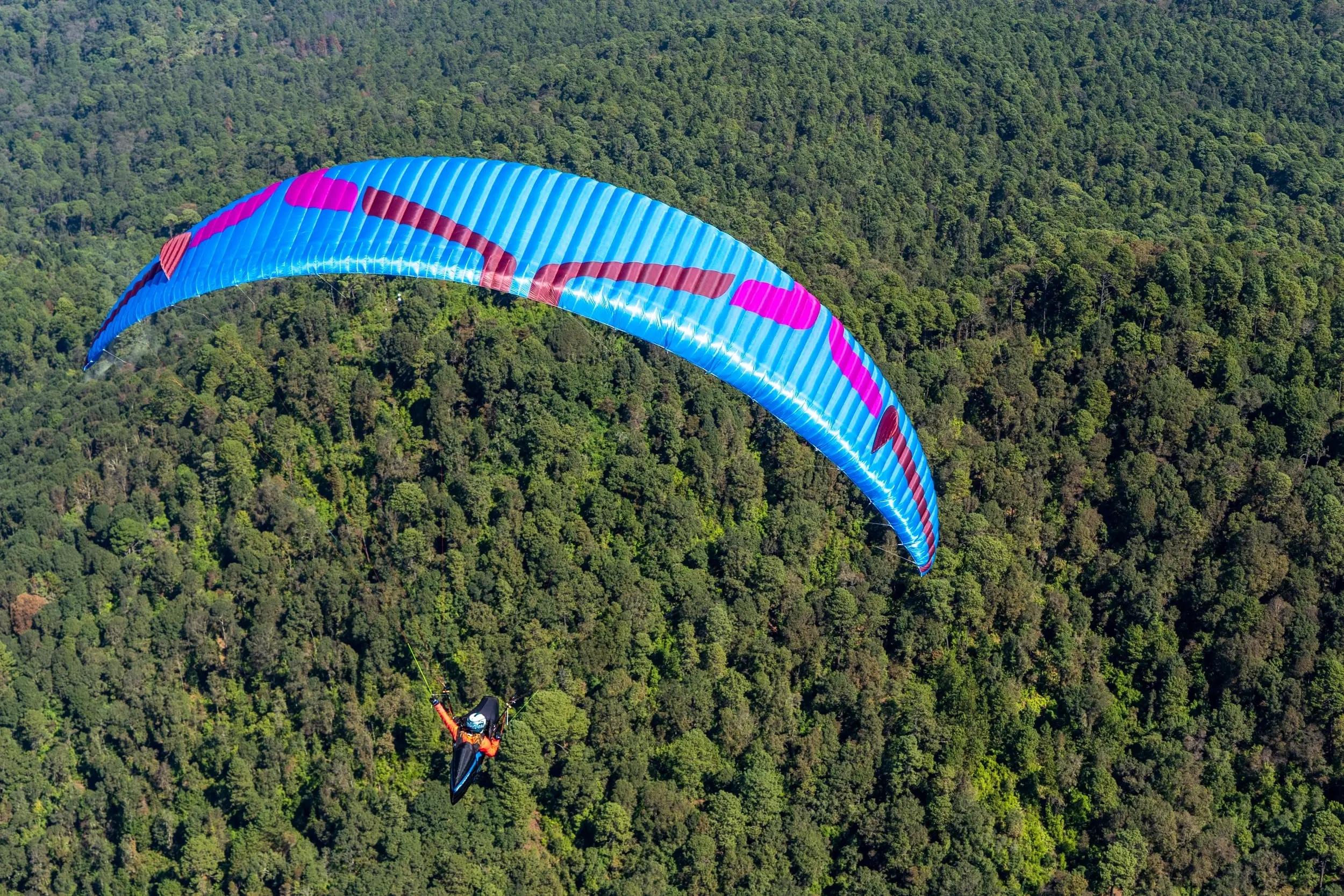
When it comes to aerial sports, paragliding and parasailing are popular in Australia but offer quite different experiences. Paragliding involves flying with a lightweight, free-flying foot-launched glider. It requires some training and an understanding of how to handle the wing. Parasailing is more straightforward, with you attached to a parachute that's towed behind a boat—no special skills needed, so it's great for all ages. Knowing these key differences helps you pick the adventure that feels right.
Safety Considerations:
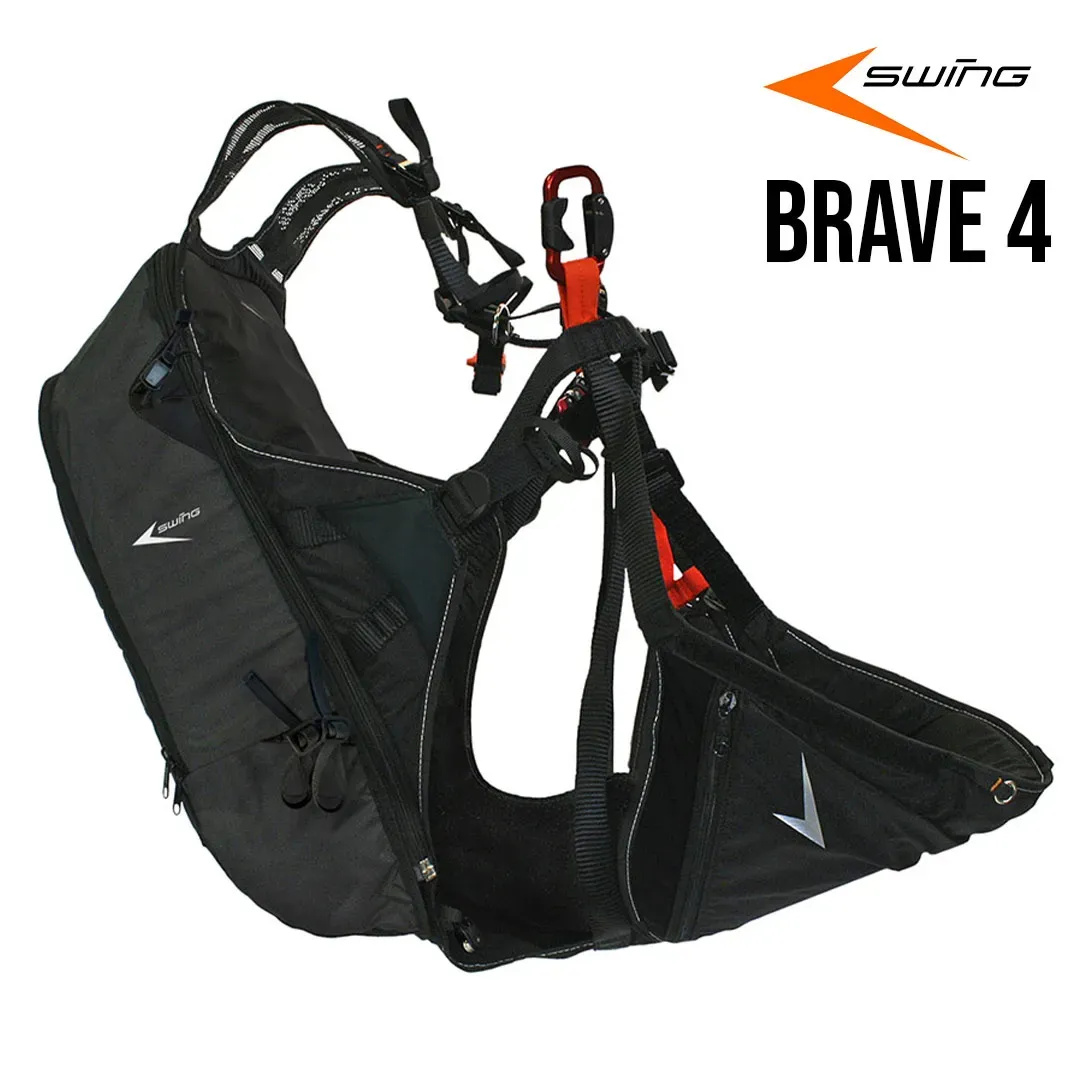
Safety is paramount whether you’re paragliding or parasailing. Paragliding pilots use harnesses, helmets, and reserve parachutes, with operators trained to keep experiences safe and enjoyable. Parasailing follows boating safety practices, with equipment and procedures checked regularly to ensure smooth adventures on the water.
Skill Requirements:
Paragliding does involve some learning – including theory and practical training to handle different weather conditions confidently. Most people train through accredited courses before flying solo. Parasailing, by contrast, requires no prior experience; you just need to listen to a brief safety talk before your flight, making it an ideal family-friendly option.
Best Recommended Locations:
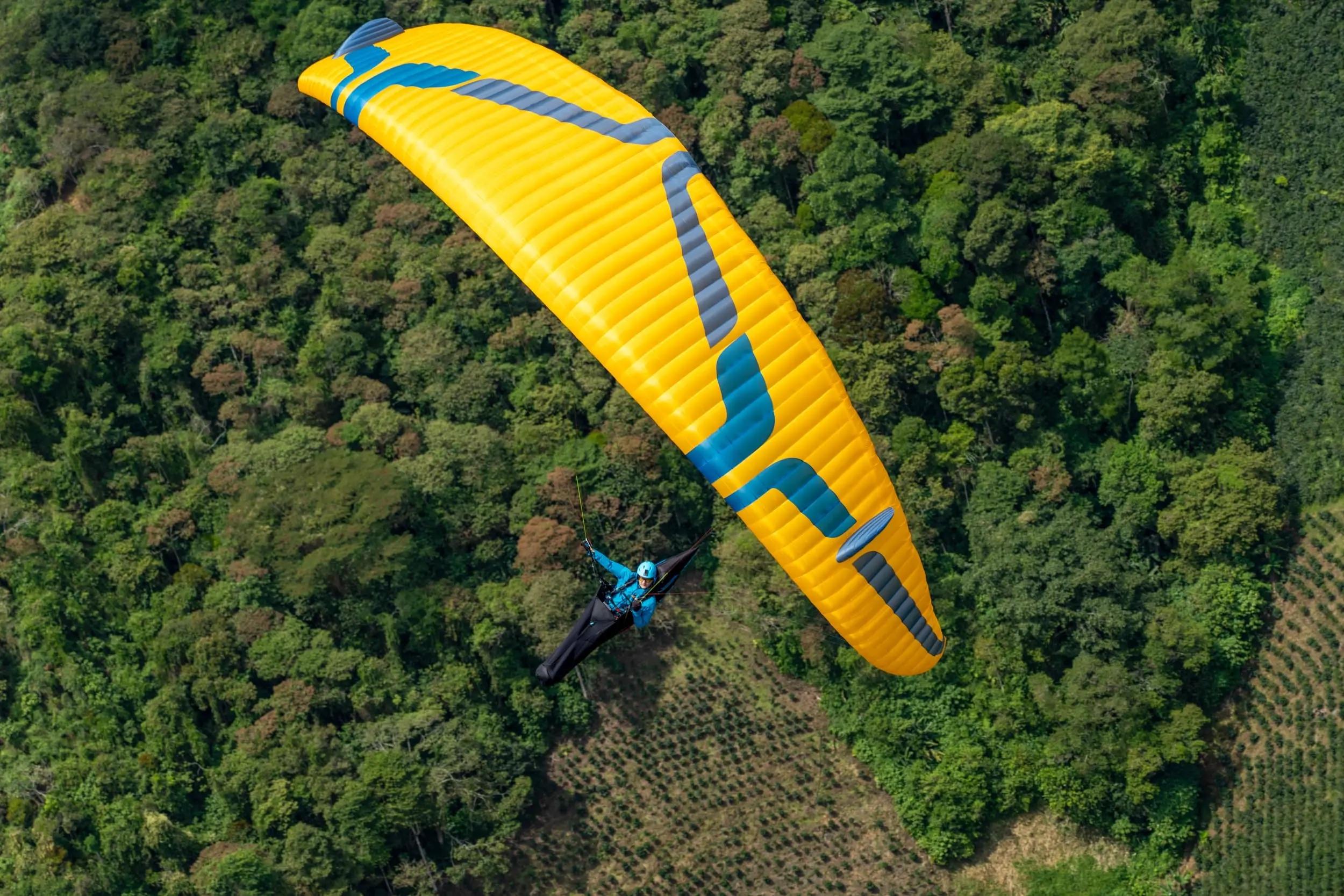
Australia’s natural beauty shines in the perfect spots for both sports. Stanwell Park in New South Wales is famous for its coastal views and steady winds, ideal for paragliders at any level. The Gold Coast also provides excellent spots for both paragliding and parasailing beginners and enthusiasts alike. For parasailing, the clear waters around Cairns and the Whitsundays offer stunning views, letting you enjoy the scenic coastline from above.
What Are Paragliding and Parasailing? Clear Differences Explained
While they might look alike at a glance, paragliding and parasailing offer very different experiences. Paragliding has you flying a parachute-like wing on your own, using air currents to glide through the blue. Parasailing is more relaxed—you’re harnessed to a chute towed behind a boat, floating gently above water and soaking up the views. The big difference is how much control and thrill you want: paragliding gives you more of that adventurous feeling, while parasailing is a laid-back float in the sky.
How Does Paragliding Work and Where Is It Popular in Australia?
Paragliding works by catching air currents with the canopy, launching from hills or cliffs, and gliding across the sky. Experienced pilots use thermals — warm rising air — to gain altitude and extend their flight. Australia’s Southern Alps and the Great Dividing Range are favourites thanks to great thermals and magnificent scenery, providing fantastic flights for anyone keen on aerial adventure.
What Is Parasailing and Which Water Locations Offer the Best Experience?
Parasailing is a water activity where you’re lifted into the air by a parachute, pulled behind a boat. It’s an easy way to enjoy stunning coastal views without needing to learn anything beforehand. Some popular spots include the bustling beaches of the Gold Coast and the peaceful shores of Byron Bay, where the calm water makes for smooth, enjoyable flights.
How Do Safety Standards Compare Between Paragliding and Parasailing in Australia?
Safety standards differ because the sports are quite different. Paragliding is regulated by aviation authorities with strict rules and required training to ensure safe flying. Parasailing comes under boating safety regulations, with operators keeping their gear in good shape and following safe operating practices. Both sports maintain strong safety measures, although paragliding has more controls due to the higher skill level involved.
What Are Essential Paragliding Safety Tips for Beginners in Australia?
- Training is Key: Complete a recognised training course to build your skills and confidence.
- Keep Gear in Check: Always inspect your equipment before flying to catch any issues early.
- Mind the Weather: Fly only in suitable conditions and avoid risky weather to stay safe.
Stick to these basics and you’ll be set to have a safe and fun time learning to paraglide.
How Safe Is Parasailing in Australian Adventure Tourism?
Parasailing is generally very safe when done with reputable operators. They carefully check equipment before each flight, give clear instructions, and won’t run rides in unsafe weather. When you follow their guidance, you’ll enjoy a worry-free adventure over some of Australia’s best coastal spots.
What Equipment and Costs Does Paragliding vs Parasailing Require in Australia?
| Equipment | Paragliding | Parasailing |
|---|---|---|
| Canopy | Specialised paraglider wing | Parachute designed for towing |
| Harness | Supportive safety harness | Basic harness for comfort and safety |
| Costs | Requires investment in training and gear | Usually pay-per-ride through operators |
Paragliding typically needs more initial investment to cover training and equipment, while parasailing offers a more casual pay-as-you-go experience, great if you’re just trying it out.
Which Australian Locations Are Best for Paragliding and Parasailing?
Australia has a wealth of excellent spots for both sports. For paragliding, popular locations include:
- Stanwell Park, NSW: Known for reliable winds and beautiful views, suitable for all skill levels.
- Mount Tamborine, QLD: Offers a range of conditions favoured by experienced pilots.
For parasailing, top picks are:
- Gold Coast, QLD: Easy to reach with stunning ocean scenery.
- Cairns, QLD: Provides the chance to soar above the Great Barrier Reef.
These destinations show off Australia’s amazing landscapes both above land and sea.
How Do Weather and Seasonal Conditions Affect Paragliding and Parasailing in Australia?
Weather plays an important role in these activities. Paragliding thrives with stable thermals and gentle winds — typically from late spring through early autumn in southern areas. Parasailing tends to be more flexible, with sea breezes creating great conditions most of the year. Both are best enjoyed on clear, sunny days for the best visibility and comfort, though popular times can be busier.
Which Sport Is Better for Beginners: Paragliding or Parasailing in Australia?
If you’re new to the skies and want a fun, easy introduction, parasailing is a great pick. It needs no training and delivers instant excitement. Paragliding suits those ready to invest time learning a skill and craving more control and adventure. Both offer fantastic ways to see Australia from the air, just at different levels of involvement.
Can Beginners Try Paragliding Safely with Australian Training and Equipment?
Definitely. With professional training from certified schools and the proper equipment, beginners can safely learn to paraglide. This involves both classroom learning and supervised flying so you gain the confidence to take to the skies on your own.
What Should Beginners Know About Parasailing Experiences in Australia?
If you’re trying parasailing for the first time in Australia, keep these tips in mind:
- Flight Duration: Typical rides last about 10 to 15 minutes, perfect for a quick thrill.
- Weather: Operators might delay or cancel rides if it’s not safe to fly.
- Follow Instructions: Pay attention to safety briefings and use equipment as directed.
Following these simple steps helps make your parasailing experience safe and memorable while enjoying Australia’s stunning coastlines.
Frequently Asked Questions
1. Can I go paragliding without any prior experience?
You can try paragliding as a beginner by joining tandem flights with an experienced pilot, which lets you enjoy the experience safely. If you want to fly solo and keep paragliding as a hobby, you'll need proper training to build your skills and confidence.
2. What should I wear for paragliding or parasailing in Australia?
For paragliding, wear comfortable clothes suitable for the weather and closed-toe shoes with ankle support. For parasailing, casual swimwear or shorts and sandals work well, just ensure your harness fits properly over your clothing. Sunglasses and sunscreen are smart choices for both.
3. Are there age restrictions for paragliding or parasailing in Australia?
Age limits vary by operator. Parasailing usually welcomes participants as young as six, supervised by an adult. Paragliding normally requires participants to be around 12 years old or older, depending on the company. Check with your provider when booking.
4. How should I choose between paragliding and parasailing?
Your choice depends on what kind of experience you’re after. Paragliding is better if you want a skill-based adventure with more control. Parasailing suits those who prefer a laid-back, scenic flight without training. Think about how much time and effort you want to invest and how adventurous you feel.
5. What are the general cost considerations for paragliding and parasailing?
Costs can vary. Paragliding usually involves investing in training and gear over time. Parasailing is more flexible, often available as pay-per-ride outings through operators, making it easy to try without a big commitment.
6. How can I find reputable operators for paragliding and parasailing?
Look for companies with good safety records and positive reviews. Research accredited paragliding schools and established parasailing businesses. Affiliations with industry bodies can be a good sign of professionalism and safety.
7. What are the environmental impacts of paragliding and parasailing?
Both activities tend to have a low environmental footprint. Paragliding uses wind power without engines, keeping emissions minimal. Parasailing uses boats but often with small engines. Choosing eco-friendly operators who respect the environment helps keep these sports enjoyable and sustainable.

Leave a comment