Paragliding Helmet Australia: Choosing the Right Head Protection for Aussie Conditions
By Tim Sabre, Paragliding Shop
Choosing the right paragliding helmet is crucial for ensuring safety and comfort during flights, especially in the unique Australian conditions. With a range of products available in the market, understanding the essential features and safety standards can significantly impact your paragliding experience. This guide will provide insights into what to look for when selecting a helmet, the best lightweight and durable options, and maintenance tips. You will also learn about the critical safety standards that helmets must comply with in Australia, enhancing your knowledge to make informed decisions while prioritising safety.
What Are the Essential Paragliding Helmet Safety Standards in Australia?
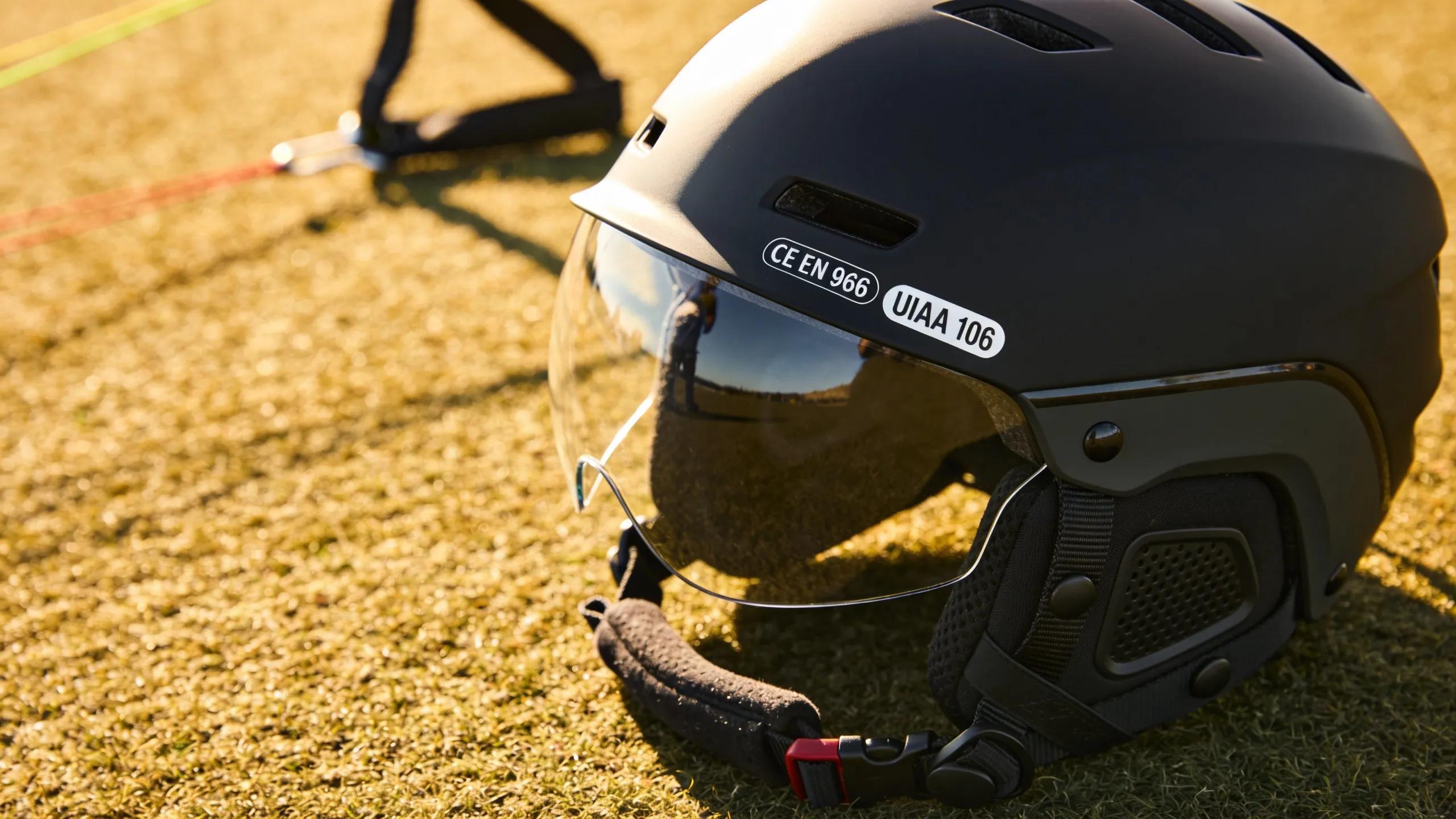
In Australia, paragliding helmets must comply with specific safety standards to protect pilots effectively during flights. The primary standards include AS/NZS 2063:2008 and EN 966, which set the requirements for the design and performance of helmets. Compliance with these standards ensures that helmets undergo rigorous testing for impact resistance and durability. Understanding these safety certifications is crucial for pilots choosing a helmet, as they directly correlate with the level of head protection offered.
Helmet Technology and Safety Performance for Extreme Sports Helmets have been developed to be effective in preventing and/or reducing the severity of head injury for a number of activities, e.g. bicycle and motorcycle helmets. As a result of safety policies, health concerns and economics, both in terms of health costs and the supply of helmets, there is an understanding of impact exposure and helmet performance requirements, as well as systems to supply standard compliant helmets. The performance demands placed on helmets for sporting activities further away from the mainstream may be substantially different, although the principles governing helmet design and performance are the same. Helmets: Technological Innovations for Safety, AS McIntosh, 2016
When Selecting a Paragliding Helmet, What Key Features Should You Consider?
When choosing a paragliding helmet, several key features should be evaluated:
Lightweight Design: A lighter helmet reduces fatigue during long flights, making it a critical factor for comfort.
Ventilation Systems: Helmets with adequate ventilation are essential for Australia's warmer climate, helping to keep pilots cool and comfortable.
Adjustable Padding: Look for helmets with adjustable padding to ensure a snug, secure fit that enhances safety and comfort.
Understanding these features can greatly influence the overall experience and safety during your flights.
What Are the Best Lightweight Paragliding Helmets for Australia?
Lightweight helmets are designed to provide essential protection while minimising fatigue. Some of the best lightweight paragliding helmets include options known for their advanced materials and comfort features. User comfort reviews highlight the importance of fit and weight in enhancing flying experiences. For example, a helmet that weighs under 1,000 grams often strikes the right balance between protection and ease of use, making it ideal for long periods of wear.
Which Durable Paragliding Helmets Are Best Suited for Australian Pilots?
When it comes to durability, pilots should consider the materials used in the helmet's construction. Some of the most robust helmets are made from polycarbonate or composite materials known for their strength and resistance to impacts. It's important to look for models that have undergone extensive testing and certification, ensuring they meet Australian safety standards. User feedback can provide insights into long-term performance, helping to identify which helmets stand the test of time in rigorous flying conditions.
Helmet Model |
Weight |
Durability Test Score |
|---|---|---|
Model A |
950g |
8/10 |
Model B |
1,050g |
9/10 |
Model C |
980g |
7/10 |
This comparison illustrates the varying weight and durability scores of different helmet models, helping pilots choose a helmet that meets their specific needs.
How to Choose the Right Helmet Features for Paragliding in Aussie Conditions?
Selecting the right features involves understanding the specific conditions Australian pilots face. Helmets designed for warmer weather often integrate ventilation systems and lightweight materials for comfort. Additionally, adjustable straps and padding are important for achieving a secure but comfortable fit. These features not only enhance safety but also significantly improve the overall flying experience by reducing distractions and discomfort while in the air.
Where Can Australian Pilots Find Trusted Paragliding Helmet Reviews and Recommendations?
For those looking to purchase a paragliding helmet, exploring trusted sources for reviews and recommendations is essential. Australian pilots can benefit from:
Local Retailers: Stores specializing in paragliding equipment often provide firsthand insights on helmet suitability and quality.
Online Platforms: Community forums and review websites frequently share user experiences, helping potential buyers make informed choices.
Expert Opinion Articles: Articles written by experienced pilots often cover the latest helmet technologies and features.
These resources make it easier for pilots to navigate the helmet market and find options that suit their needs best.
What Are the Best Practices for Maintaining Paragliding Helmets in Australia?
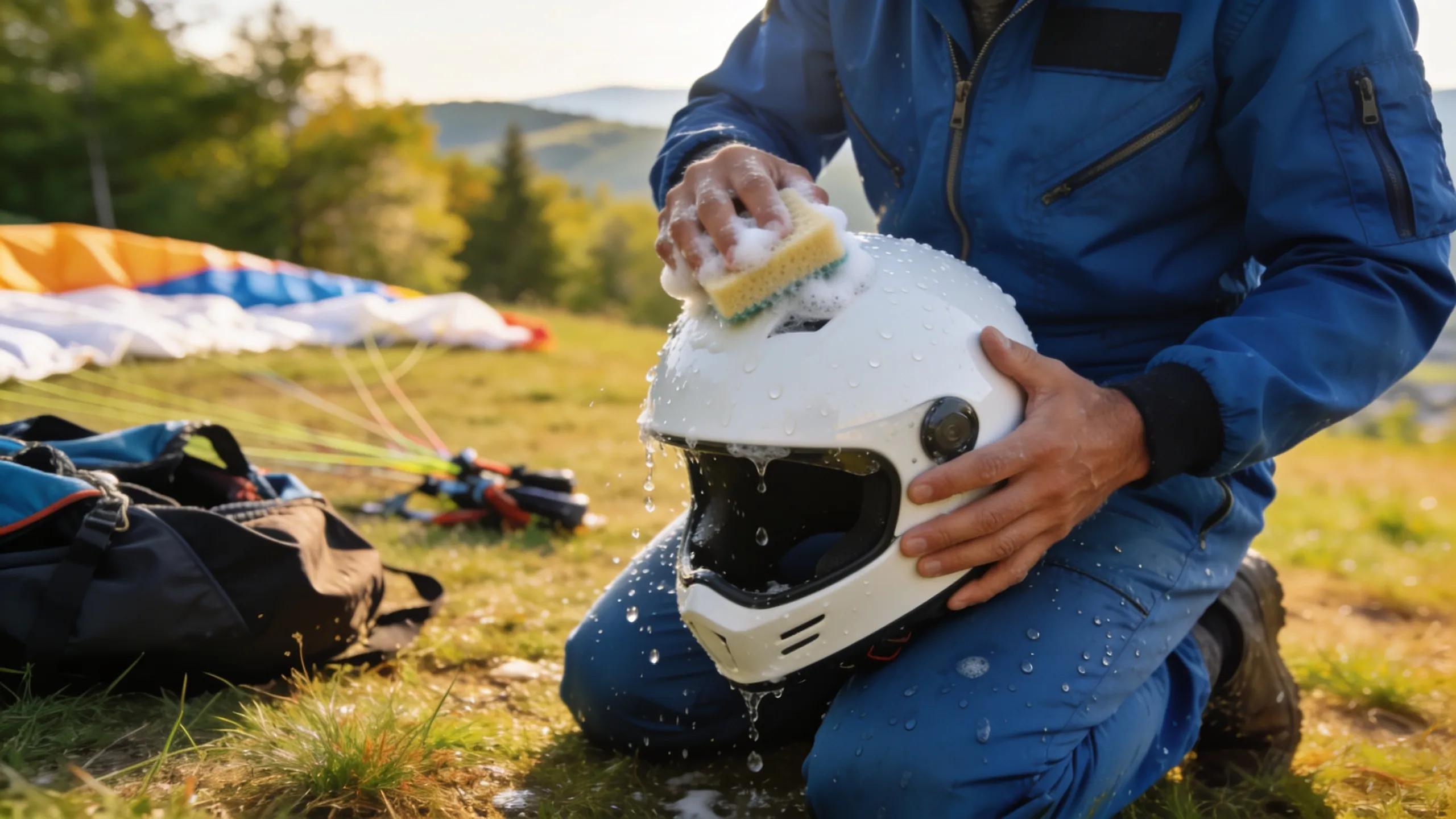
Maintaining a paragliding helmet is critical for ensuring longevity and performance. Here are some best practices:
Regular Inspections: Conduct periodic checks for any signs of wear, damage, or deterioration.
Proper Cleaning: Use mild soap and water for cleaning to avoid damaging the helmet’s materials.
Storage Recommendations: Store helmets in a cool, dry place away from sunlight to prevent material degradation.
By following these maintenance tips, pilots can ensure their helmets remain effective and safe throughout their usage.

Leave a comment