Choosing a Paragliding Helmet in Australia: Certified Fit, Safety Standards, and Essential Features
By Tim Sabre, Paragliding Shop
Selecting the right paragliding helmet is crucial for safety and performance while flying. With numerous options available, understanding fit, certification standards, and essential features becomes paramount. Many pilots face challenges when trying to find a helmet that not only meets safety requirements but also offers comfort during long flights. This guide outlines the critical factors to consider when choosing a paragliding helmet in Australia, including the importance of certified fit, adherence to safety standards, and key features that enhance protection and comfort. Additionally, we will explore maintenance practices and how to adapt your helmet choice to varying weather conditions.
Certified Fit and Safety Standards
A certified fit for paragliding helmets ensures that they adequately protect your head during flights. Helmets should meet stringent Australian safety standards, such as AS/NZS 2063:2008 and EN 966, which regulate the impact resistance and structural integrity required for paragliding gear. These standards guarantee that the helmet has undergone rigorous testing, ensuring compliance with safety regulations and providing peace of mind to the pilot. The fit type and size range are also critical, as a poorly fitting helmet could be ineffective in a crash or during extreme maneuvers.
What Australian safety certification standards should paragliding helmets meet?
Paragliding helmets in Australia must comply with specific safety certification standards like AS/NZS 2063:2008 and EN 966. These certifications ensure that helmets have passed designated safety tests for impact resistance, durability, and performance under extreme conditions. By choosing helmets that meet these safety certifications, pilots can ensure a higher level of protection during their flights, enhancing safety and compliance with regulatory guidelines.
How do certified helmets enhance pilot safety and compliance?
Certified helmets significantly enhance pilot safety by ensuring that the equipment can withstand and absorb impacts during accidents. This protective capability minimises head injuries, which can be severe and life-threatening. Compliance with certified standards not only safeguards the pilot’s well-being but also assists in legal compliance and insurance matters. Therefore, selecting a certified helmet is an essential step in responsible paragliding.
Essential Features for Effective Protection
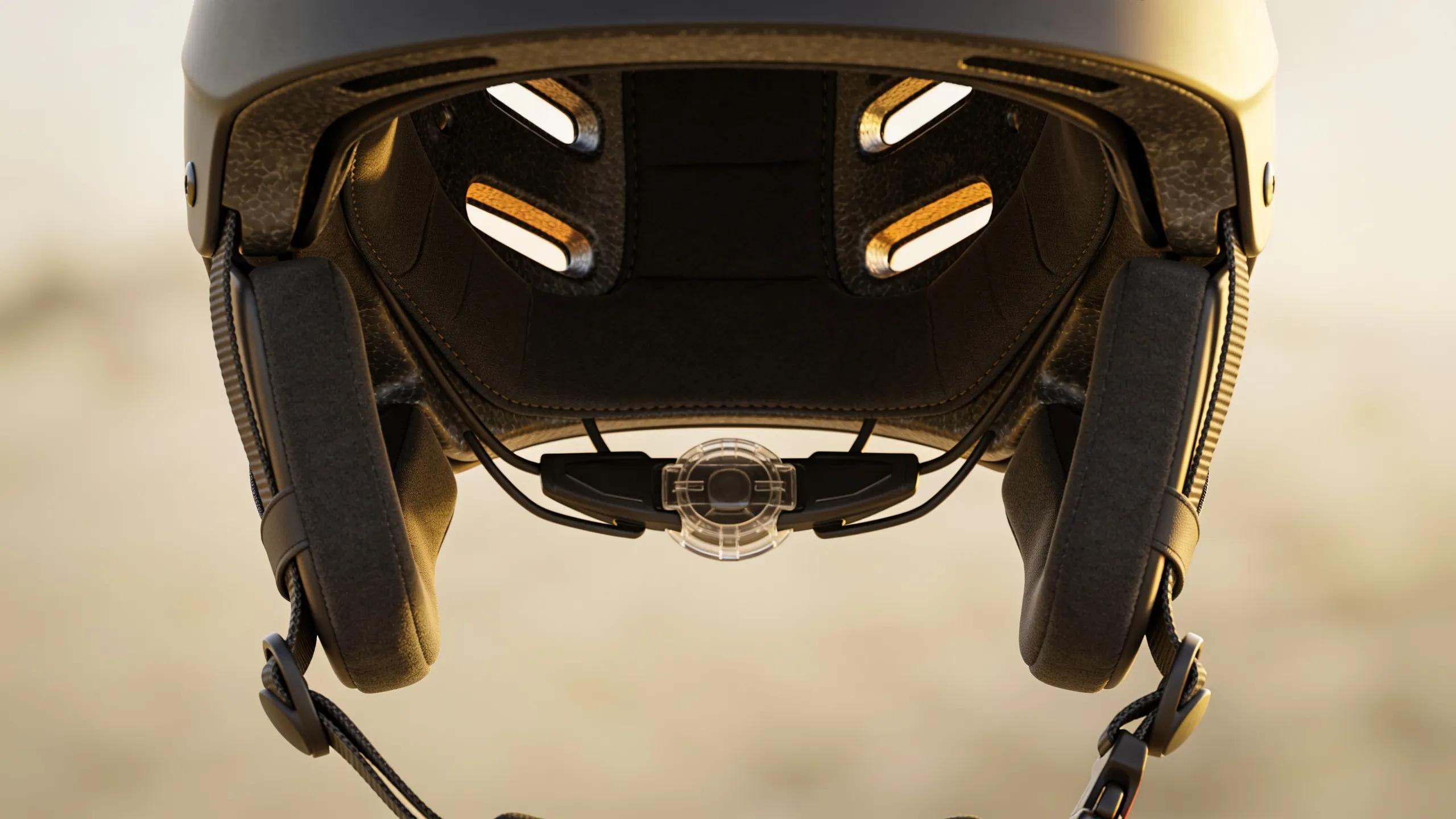
The essential features of a paragliding helmet include material quality, design functionality, and fit adjustability. High-quality materials, such as expanded polystyrene (EPS), are commonly used due to their excellent shock absorption capabilities. A well-designed helmet incorporates features like adjustable chin straps and comfortable padding to enhance fit, providing stability even in turbulent conditions. Additionally, helmets that offer good ventilation can keep pilots cool and comfortable during long flights.
What key features improve paragliding helmet comfort and performance?
Several features can improve helmet comfort and performance, including:
Lightweight Design: A lightweight helmet minimises fatigue during extended flights, allowing pilots to focus on navigation and safety.
Ventilation System: Proper air circulation helps regulate temperature and prevent discomfort, especially in tropical climates.
Chin Strap Adjustability: A customisable chin strap ensures a secure fit, preventing the helmet from shifting during maneuvers.
By choosing helmets with these features, pilots can enhance their overall flying experience.
Why is ventilation important and what ventilation options are available?
Ventilation is crucial for maintaining comfort and reducing overheating during flights. A helmet with integrated vents allows airflow, allowing moisture and heat to escape. Options can include adjustable vents for customised airflow based on weather conditions. Some popular helmet models come with advanced ventilation systems, providing additional breathability that enhances comfort during all-day flying.
Weather Considerations
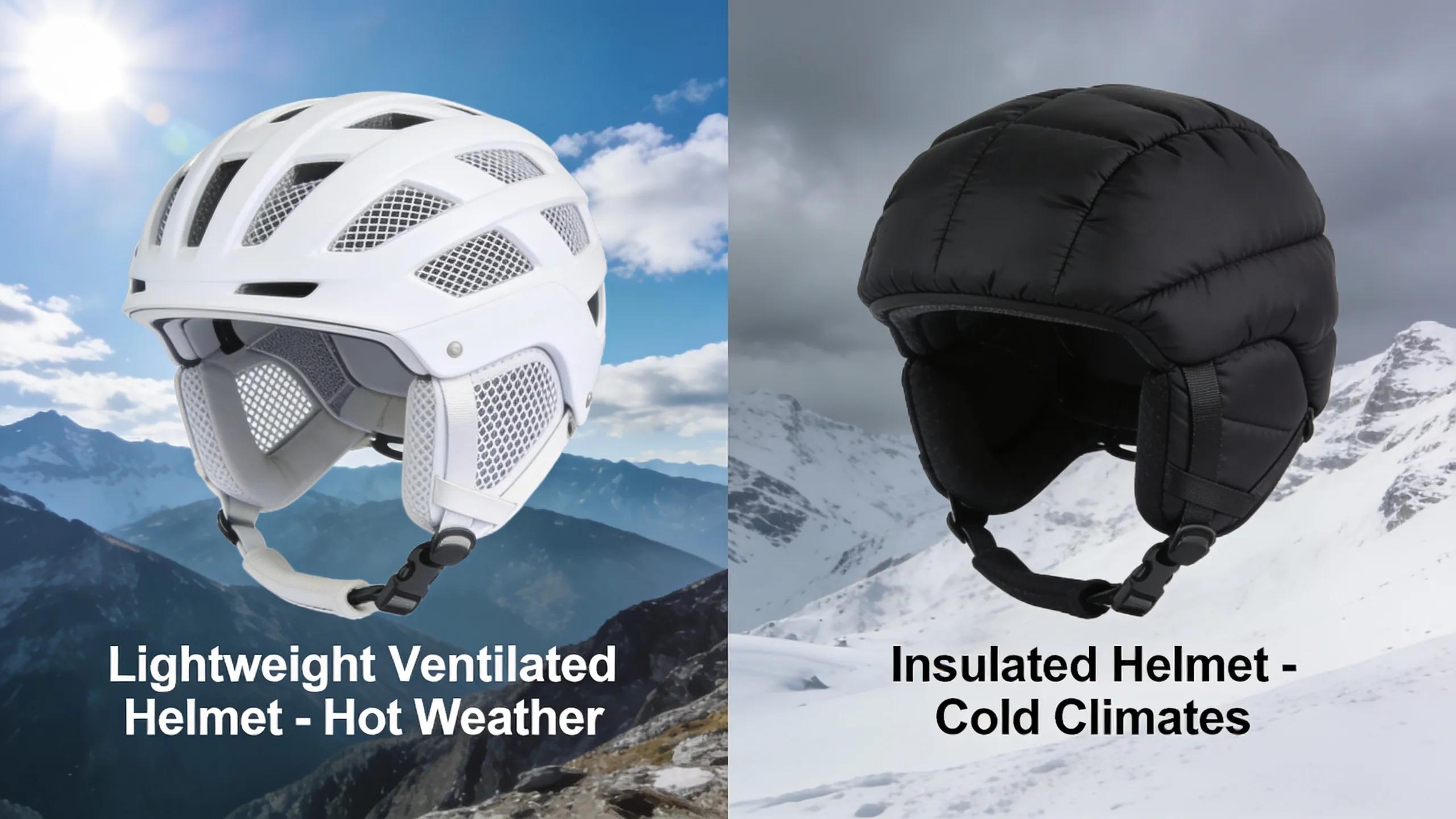
Weather conditions can significantly influence the type of helmet a pilot should wear. For instance, in hot weather, greater ventilation is essential to prevent overheating and discomfort. Conversely, helmets that offer insulation and protection against cold temperatures are beneficial in more temperate regions. Pilots are encouraged to consider their local climate when selecting a helmet, ensuring adequate protection and comfort regardless of flying conditions.
How do helmet weight and materials affect flight experience?
The weight and materials of a helmet play a crucial role in the flying experience. Lighter helmets made from advanced materials provide better performance during long flights, reducing physical strain. Helmets crafted from durable, impact-resistant materials ensure that they can endure the rigors of paragliding, providing peace of mind while soaring through the skies. Ultimately, choosing the right materials can enhance both safety and comfort.
Maintenance and Inspection
Regular maintenance and inspection of paragliding helmets are essential practices for ensuring maximum safety. Pilots should routinely check for signs of wear and tear, such as cracks, frayed straps, or degraded padding. Proper cleaning techniques, including the use of mild soap and water, can extend the lifespan of the helmet. Additionally, storing the helmet in a cool, dry place can prevent degradation due to environmental factors.
Inspection for wear and tear
Inspecting for wear and tear involves checking the outer shell and internal padding for any visible damage. Additionally, ensuring that the helmet's retention system is intact and functioning correctly is vital. Regular checks help pilots identify any potential issues before they compromise safety.
Proper maintenance practices
Proper maintenance practices include cleaning the helmet after each use, avoiding exposure to harsh chemicals, and following manufacturer recommendations for storage. These practices ensure that the helmet remains in optimal condition for a longer duration, ultimately promoting safe flying.
Certification Standard |
Purpose |
Tested Aspects |
|---|---|---|
AS/NZS 2063:2008 |
Australian safety requirements |
Impact resistance, durability |
EN 966 |
European safety certification |
Structural integrity, performance |
N/A |
N/A |
N/A |
The comparison of certification standards provides insights into the important tests and criteria that paragliding helmets must adhere to in order to ensure pilot safety and performance.
Choosing the right paragliding helmet combines an understanding of safety standards, essential features, and quality maintenance. By prioritising certified fit and comfort, pilots can enhance their overall paragliding experience and ensure their safety in the air.

Leave a comment