Paraglider Harness Comfort, Safety & Performance
Selecting the right paraglider harness impacts comfort, control, and—most importantly—safety. This guide summarises the main harness types, buying criteria and trusted brands so you can match a harness to your flying style. Whether you’re a beginner or a competitive pilot, clear knowledge of features and maintenance helps you choose equipment that performs and protects.
Understanding how harness design impacts safety is super important when picking the right model.
What Are the Key Types of Paragliding Harnesses?
Harnesses prioritise weight, aerodynamics, comfort or convenience. Common categories are lightweight/hike‑and‑fly harnesses, aerodynamic pod harnesses, and reversible harnesses that become backpacks — each suited to different flying needs.
How Do Lightweight and Hike and Fly Harnesses Differ?
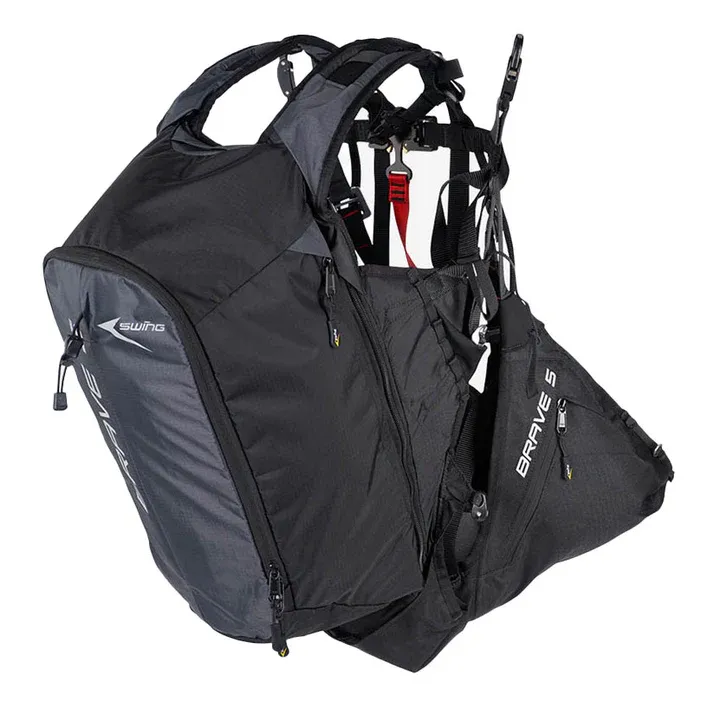
Lightweight harnesses remove padding and extras to save grams; hike‑and‑fly designs keep that low weight but add modest pockets and padding so they remain wearable over long approaches. Choose based on how far you’ll carry gear and how much comfort you need.
What Are the Benefits of Pod and Reversible Harnesses?
Pod harnesses add a leg cover to reduce drag and improve glide and comfort on long cross‑country flights. Reversible harnesses prioritise transport convenience by converting into backpacks, which helps when you hike to the launch or travel with gear.
How to Choose the Right Paraglider Harness for Beginners and Experts?
Selection boils down to safety features, comfort and flying goals. Beginners should favour protective elements and simple adjustments; experienced pilots balance protection with aerodynamic performance and personal ergonomics.
What Safety Features Should Beginners Prioritise?
Beginners should look for effective back protection, an accessible reserve container and clear, easy adjustments. Predictable geometry and secure buckles make learning safer and reduce common handling issues.
Good design and industry standards are key to ensuring safety, particularly when it comes to reserve parachute systems.
How Does Flying Style Influence Harness Selection?
Your flying goals should guide the choice: cross‑country and competition pilots favour lightweight, aerodynamic harnesses to reduce fatigue and improve glide, while recreational pilots typically prioritise padding, simple adjustments and storage for comfortable thermalling and day flights.
What Are the Top Brands and Models of Premium Paragliding Harnesses?
Reliable manufacturers include Ozone, Niviuk, Dudek and GIN — each focuses on different trade-offs between innovation, weight, comfort and toughness. Try harnesses where possible to check fit and features.
How Do Ozone, Niviuk, Dudek, and GIN Harnesses Compare?
Ozone is known for comfort and thoughtful details; Niviuk targets light, performance designs; Dudek emphasises durability and safety engineering; and GIN offers practical, well‑rounded harnesses. Fit and feel remain personal, so test before buying.
Which Harness Models Are Best for Cross-Country and Competition Flying?
Performance models such as the Ozone Zeno and Niviuk Ikuma use aerodynamic shaping for long flights, while Dudek’s Universal is a versatile option for pilots who want one harness for varied conditions.
How to Ensure Safety and Comfort with Your Paraglider Harness?
Regular checks and straightforward maintenance keep a harness reliable. A short pre‑flight inspection and correct storage dramatically preserve safety and service life.
What Maintenance and Pre-Flight Checks Are Essential?
Before every flight, check webbing and stitching, test buckles and adjustments, and confirm the reserve is correctly packed and reachable. Clean with mild soap and water when needed and store away from sunlight and damp to avoid material degradation.
How Do Harness Features Enhance Flight Safety and Enjoyment?
Integrated back protection and a well‑placed reserve container make emergency actions more predictable. Adjustable straps, good seat support and appropriate padding reduce fatigue so you can focus on flying.
Real-world experience shows that how your harness is set up can really impact how easily you can deploy your reserve parachute in an emergency.
| Harness Type | Key Features | Best For |
|---|---|---|
| Lightweight Harness | Minimal weight, streamlined design | Hike‑and‑fly adventures |
| Pod Harness | Aerodynamic shape, built‑in leg cover (pod) | Cross‑country flying |
| Reversible Harness | Converts between backpack and flight modes | Mixed or travel‑focused flying |
This table summarises the main harness types to help you match a model to your flying plans.
Paragliding Shop stocks premium harnesses from brands like Ozone, Niviuk, Dudek and GIN — useful if you want to compare models. Understanding harness differences makes it easier to pick gear that keeps you comfortable and safe in the air.
Our Paragliding Expertise and Commitment to Safety
This comprehensive guide on paraglider harnesses is meticulously crafted and reviewed by a team of certified paragliding instructors and experienced pilots with decades of collective flight experience. Our commitment is to provide accurate, up-to-date, and safety-focused information, ensuring that both beginners and seasoned flyers can make informed decisions about their essential gear. We regularly consult with industry leaders and adhere to the latest safety standards and best practices in paragliding. Our goal is to empower you with the knowledge to choose equipment that not only enhances your flight experience but, most importantly, ensures your safety in the skies.
Frequently Asked Questions
What should I consider when transitioning from a beginner to an advanced paraglider harness?
Consider the flights you plan and how the harness should support them. Advanced models trade padding for aerodynamics and lighter materials; get instructor or experienced pilot input and test the harness before committing.
How can I ensure my paraglider harness fits properly?
Adjust straps to your body, simulate flying positions when trying a harness, wear typical flying clothing and follow manufacturer sizing charts. Re‑check fit after any weight change.
What are the common mistakes to avoid when selecting a paraglider harness?
Don’t choose by appearance alone — prioritise safety and fit. Always try a harness, consider weight and packability for hike‑and‑fly, and consult reviews or experts to confirm standards compliance.
How often should I replace my paraglider harness?
Replace based on use and condition. Consider renewal every few years, inspect regularly for frayed webbing or damaged buckles, and replace immediately after a serious impact or if you find significant wear.
What role does weight play in choosing a paraglider harness?
Weight is critical for hike‑and‑fly; lighter harnesses ease carrying but may reduce padding and storage. Heavier harnesses usually offer more protection and comfort — balance portability with your safety and comfort needs.
Are there specific maintenance tips for prolonging the life of my paraglider harness?
Clean salt and dirt with mild soap and water, dry thoroughly before storage, and keep the harness out of direct sun and damp. Inspect straps, buckles and stitching regularly and follow manufacturer care instructions; consult a professional for major wear.
