
Paramotor Training Courses Australia: Your Path from First Flight to Solo Certification
By Tim Sabre, Paragliding Shop
Paramotor training in Australia offers an exciting and rewarding way to experience flight. For aspiring pilots, understanding the journey from the first flight to earning a solo certification can be daunting. This article will provide you with clear insights into the key steps involved in "paramotor training", the specific licence requirements mandated by Australian authorities, and tips for choosing reputable instructors and training courses. Knowing these elements can help alleviate anxiety for beginners while ensuring a focus on safety and skill development. Additionally, we will address essential safety tips for novice pilots aiming to confidently fly solo, emphasising preparation and reliable equipment choices.
What Are the Key Steps in Paramotor Training from First Flight to Solo?
The journey to becoming a certified paramotor pilot requires progression through several pivotal steps. Initially, completing a comprehensive training course is essential, typically offered by various paramotor training schools across Australia. These courses focus on important aspects such as pre-flight checks, understanding local weather conditions, acquiring "essential gear", and practising emergency procedures to ensure safety in the air. Each of these steps plays a crucial role in building the knowledge and confidence needed to fly solo.
How Does a Beginner Start Their First Paramotor Flight Safely?
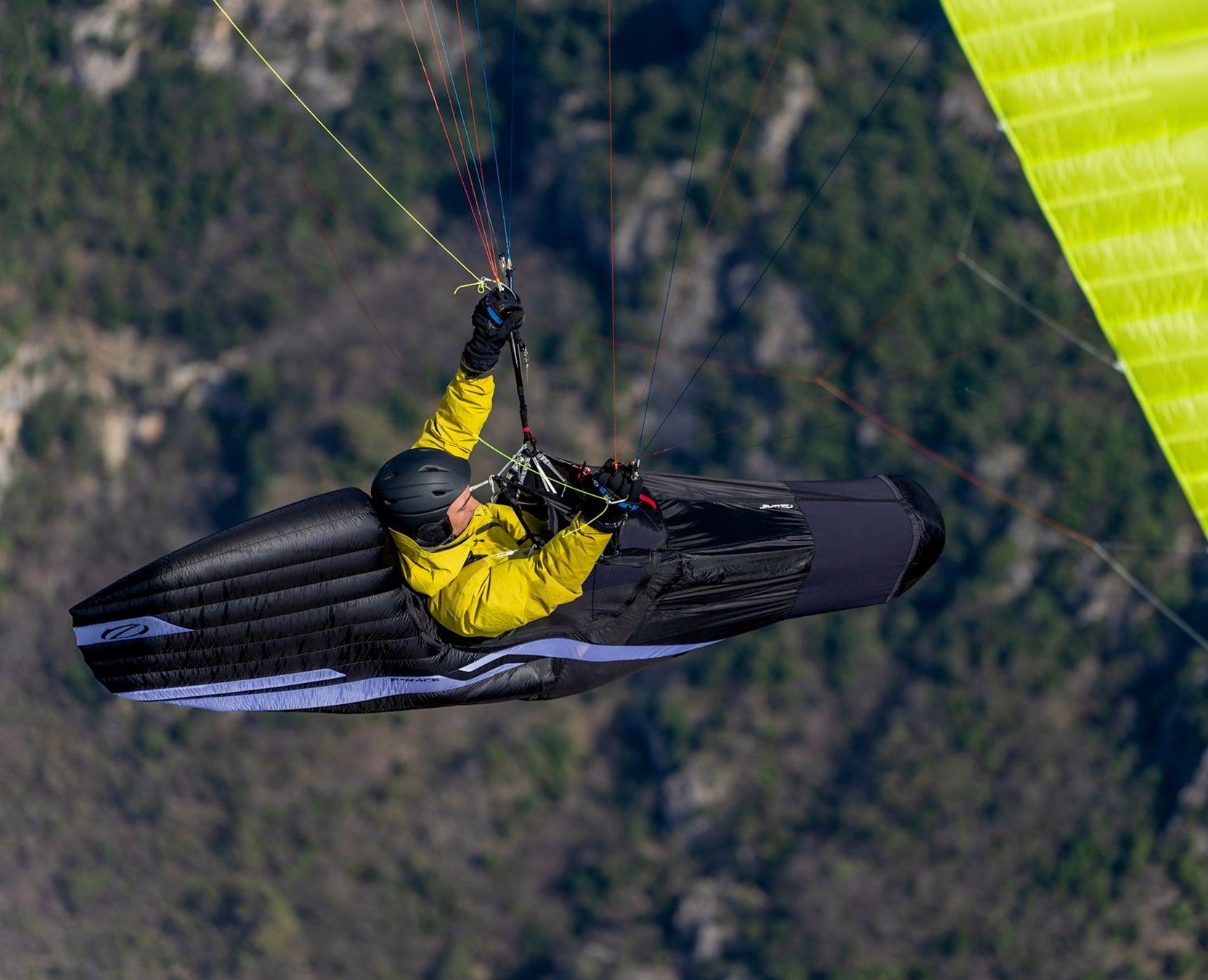
For beginners, starting their first paramotor flight safely is paramount. Enrolling in a well-structured training program with qualified instructors ensures that foundational knowledge is covered. Key safety aspects include a thorough pre-flight gear inspection, assessing current weather conditions—since they can dramatically affect flight safety—and creating a detailed flight plan that considers all necessary factors. This rigorous approach instills a solid foundation for safe flying practices.
Understanding the multi-faceted nature of flight safety is a critical component of professional pilot training programs.
Safety Standards and Accident Prevention in Paramotoring
The study hypothesized that several factors, including the pilot’s experience level, weather conditions, terrain, equipment quality, attitude toward the sport, and adherence to safety regulations, may be related to the frequency of paragliding accidents.
Psychological and Neurological Tests are Required to Reduce the Risk of Injuries in Paragliding, DA Szabo, 2025
What Milestones Lead to Getting Certified for Solo Paramotor Flying?
Achieving certification for solo paramotor flying involves several milestones that outline the training process. Each aspiring pilot typically begins with ground handling lessons that address the basics of equipment handling and flying theories. Following these initial lessons, candidates engage in supervised flights, where they practice maneuvers and learn how to make real-time decisions in the air. The timeline for these milestones can vary, but consistent practice and dedication speed progress to first solo flights, typically taking anywhere from a few weeks to several months, depending on personal progress.
What Are the Paramotor Pilot Licence Requirements in Australia?
In Australia, obtaining a paramotor pilot licence necessitates adherence to several requirements established by the country's aviation governing body. Completing an approved training program is a crucial first step, as this ensures that pilots receive comprehensive instruction on safety equipment standards and operational regulations specific to paramotor flight. Additionally, potential pilots must also be aware of the "insurance considerations" necessary for flying legally and safely.
Which Australian Civil Aviation Safety Authority Rules Apply to Paramotor Licensing?
The regulations imposed by the Australian Civil Aviation Safety Authority (CASA) govern the licensing process for paramotor pilots. These regulations stipulate that all training and certification must align with recognised associations and comply with local airspace rules. This ensures that all pilots possess the foundational skills and knowledge required to operate safely within Australian airspace.
How Long Does It Take to Complete Licensing and Certification in Australia?
The timeline for completing licensing and certification in Australia can vary based on numerous factors, including the individual's commitment and the number of flight hours logged. Generally, aspiring paramotor pilots can expect the process to take between 4 to 8 weeks for ground school and hands-on flight training. Factors such as weather conditions, availability of instructors, and personal learning pace significantly influence this duration, making it essential for candidates to remain flexible in their training schedules.
How to Choose the Best Paramotor Instructors and Training Courses Near Me?
Selecting the right paramotor instructor or training course is crucial to ensuring a successful flying experience. Prospective students should consider the credentials of the instructor, looking for certifications that highlight their expertise in the field. Additionally, reviewing student testimonials and the success rates of previous students can provide further reassurance of an instructor's effectiveness. The methodologies used in training should also be evaluated; ideal programs balance theoretical knowledge with extensive practical training.
What Qualities Make a Certified and Trusted Paramotor Instructor in Australia?
A certified and trusted paramotor instructor possesses several key qualities. Certified instructors bring a wealth of knowledge, having undergone rigorous training themselves, which ensures they can communicate effectively with their students. First-aid training credentials are also critical, as they prepare instructors to handle any unforeseen circumstances that may arise. Furthermore, effective teaching methodologies cater to various learning styles, enhancing students' overall understanding and retention of information.
Which Training Schools Offer Comprehensive Courses and Safety Guidelines?
Notable paramotor training schools provide extensive courses that cater to both beginners and advanced pilots. These schools often emphasise a safety-first approach, implementing robust safety protocols throughout their training programs. Additionally, proximity to suitable flying sites ensures that students can easily transition from ground learning to actual flying practice. Comparing the offerings and track records of different training schools can help ensure that students are well-prepared for their journeys into the sky.
What Are Essential Beginner Paramotor Safety Tips to Fly Solo Confidently?
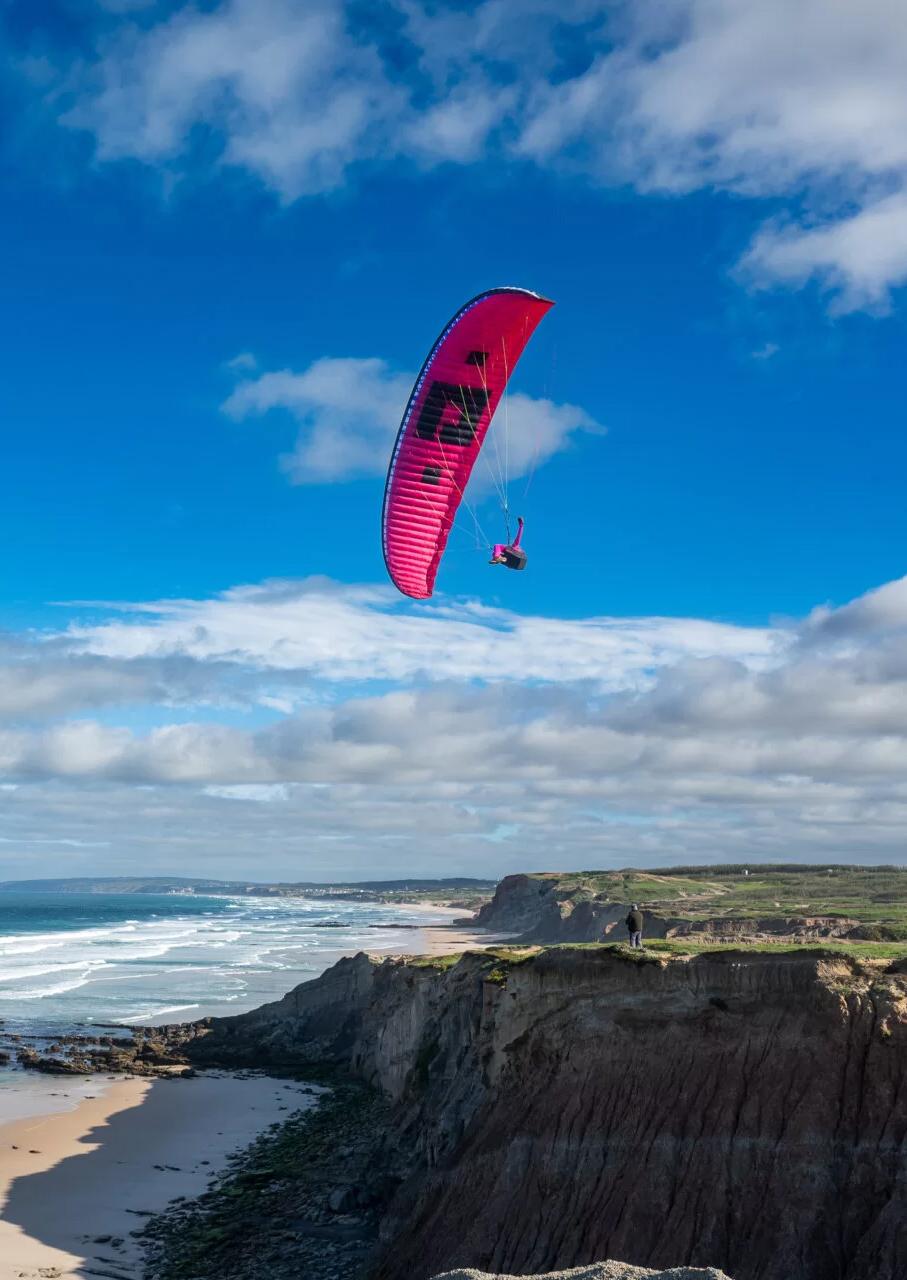
For beginners eager to fly solo, understanding and implementing key safety tips is vital. Pre-flight checks should always be practised to ensure that all equipment is functional and ready for flight. New pilots should also invest in reliable safety gear to protect against potential hazards. Moreover, mental and physical preparedness for flying can enhance both confidence and overall performance, making it essential for aspiring pilots to mentally rehearse their flight procedures.
Which Safety Equipment and Checklists Should Beginners Use Before Flying?
Before taking to the skies, beginners should utilise a comprehensive pre-flight checklist to ensure all necessary safety equipment is available and in working condition. Essential items to check include the paramotor's fuel levels, the operational status of the paraglider wing, and the integrity of the harness system. This proactive approach can mitigate risks associated with equipment failure and enhance the overall flying experience.
How Can Beginners Prepare Mentally and Physically for Solo Paramotor Flights?
Mental and physical preparation are crucial components for any beginner aspiring to fly solo. Mental preparation may involve visualisation techniques, where pilots imagine each step of their flight to build confidence. Physical exercises aimed at improving core strength can enhance stability during flight, allowing for better maneuverability. Relaxation techniques such as meditation or focused breathing can also assist in maintaining calmness before and during flights, fostering a more enjoyable flying experience.
