
The Ultimate Paragliding Gear Guide
Paragliding offers unforgettable views and a lasting rush. The right kit keeps flights safer and more relaxed; this guide covers the essential paragliding gear every pilot should consider — from wings to harnesses — so you can fly with confidence.
Below we summarise core choices for different skill levels, including wings, harnesses, safety gear and lightweight accessories to make flying easier and more enjoyable.
Which Paragliding Wings Suit Beginners — and Beyond?
Your wing choice affects safety and enjoyment. Wings are certified EN A, B and C: EN A favours stability and forgiveness, EN B balances handling with performance, and EN C increases speed and agility — select a rating that matches your experience and flying goals.
Why EN A-certified Wings Are Ideal for New Pilots?
EN A wings prioritise predictability and lower collapse risk, making them forgiving while you learn basic skills and build confidence.
How Do Intermediate and Advanced Wings Differ in Performance?
EN B and C wings respond faster and reward precise inputs, but require stronger technique; step up only when your control and judgement are ready.
How to Choose the Best Paragliding Harnesses for Comfort and Safety?
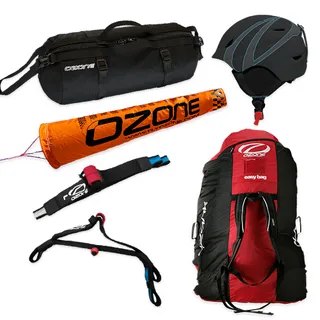
A correctly fitted harness keeps you comfortable and in control. Common styles — standard, reversible and pod — prioritise comfort, portability or cross-country performance respectively.
What Are the Benefits of Standard, Reversible, and Pod Harnesses?
Standard harnesses are supportive; reversible models pack into backpacks for transport; pod harnesses improve aerodynamics for XC flying.
Which Harness Features Enhance Pilot Comfort and Flight Control?
Look for adjustability, firm padding and useful pockets so you can secure a good fit, avoid pressure points and keep essentials close at hand.
What Are the Essential Paragliding Reserve Parachutes and Safety Gear?
Safety equipment is essential. Choose a reserve parachute suited to your flying type and deployment preference, and always carry core protective items.
How Do Round, Square, and Steerable Reserve Parachutes Compare?
Round reserves descend steadily, square (cruciform) designs glide better, and steerable reserves let you influence touchdown direction — learn each behaviour before choosing.
Which Safety Accessories Should Every Pilot Carry?
At minimum, carry a helmet, compact first aid kit and a variometer for climb-rate and altitude information to support in-flight decisions.
Which Lightweight Paragliding Accessories Elevate Your Flying Experience?
Lightweight accessories make flying more practical without excess bulk: compact instruments and light packs improve comfort and range, especially for hike-to-launch and XC flying.
What Flight Instruments and Cameras Enhance Navigation and Recording?
GPS units and variometers are key for navigation and altitude awareness; small action cameras record flights and help review technique.
How Do Lightweight Bags and Speed Bars Improve Hike and Fly Adventures?
Light packs reduce approach effort; speed bars let you increase glide speed when appropriate, extending range without complicating your setup.
Frequently Asked Questions
What types of paragliding wings are available for different skill levels?
Wings are rated EN A (stability), EN B (balanced performance) and EN C (higher performance); choose to match your skill and flying aims.
How do I maintain my paragliding gear for longevity?
Dry and clean your wing after use, inspect lines and fabric, store gear cool and dry, follow service intervals and record basic maintenance.
What should I know about paragliding weather conditions?
Check wind speed/direction, thermal activity and local forecasts; prefer light, steady winds and avoid gusty or stormy conditions.
Are there specific regulations I need to follow while paragliding?
Yes — rules vary by region. Observe airspace restrictions, no-fly zones and local licensing or equipment standards.
What are the benefits of joining a paragliding club?
Clubs offer instruction, local knowledge, group flying and access to rentals and insurance, which speeds learning and supports safety.
How can I choose the right paragliding school for training?
Pick schools with qualified instructors, a strong safety record and recognised association ties; read reviews and confirm their curriculum.
What should I consider when purchasing my first paraglider?
Prioritise safety and predictability — start with an EN A wing, consider weight for hiking to launch and demo wings when possible.
How often should I replace my paragliding equipment?
Replacement depends on use and care; inspect the gear after heavy use or impacts and follow manufacturer guidance for replacement.
What are the key safety tips for new paragliding pilots?
Get formal training, perform pre-flight checks, practise emergency drills (including reserve deployment) and fly with experienced pilots until confident.
How can I improve my paragliding skills?
Progress with deliberate practice, coaching and feedback; fly in varied conditions and review flights with instructors or peers.
What are the environmental considerations for paragliding?
Respect wildlife and sensitive areas: avoid nesting sites, follow site rules and apply Leave No Trace principles.
What should I do if I encounter an emergency while paragliding?
Stay calm, assess the situation, apply recovery inputs for collapses and deploy your reserve if needed; aim for safe landing options and debrief afterwards.
What types of paragliding wings are available for different skill levels?
Wings are grouped by EN rating — EN A for stability, EN B for balanced performance and EN C for higher performance; match the wing to your experience.
How do I maintain my paragliding gear for longevity?
Regular care increases lifespan: clean and dry your wing, inspect lines and fabric, store gear properly and keep a simple maintenance log.
What should I know about paragliding weather conditions?
Check forecasts for wind, direction and thermal activity; prefer steady conditions and learn local microclimates from experienced pilots or clubs.
Are there specific regulations I need to follow while paragliding?
Regulations vary by region — follow local airspace rules, no-fly zones and any licensing or equipment standards; association membership helps compliance.
What are the benefits of joining a paragliding club?
Clubs provide instruction, local knowledge, group flying and access to rentals and insurance, helping you learn faster and fly safer.
How can I choose the right paragliding school for training?
Choose schools with qualified instructors, a clear safety record and recognised association links; read reviews and, if possible, visit before enrolling.
What should I consider when purchasing my first paraglider?
Prioritise safety: start on an EN A wing, consider overall weight if hiking to launch, demo wings, and get advice from instructors or experienced pilots.
How often should I replace my paragliding equipment?
Replace based on use and care; inspect gear regularly and follow manufacturer recommendations when wear or performance loss is evident.
What are the key safety tips for new paragliding pilots?
Obtain formal training, perform thorough pre-flight checks, practise emergency drills and fly with experienced pilots until you’re confident.
How can I improve my paragliding skills?
Use deliberate practice and coaching, fly in varied conditions, attend courses and review flights with instructors or peers to accelerate learning.
What are the environmental considerations for paragliding?
Respect wildlife and sensitive areas, avoid nesting sites, follow site rules and Leave No Trace so sites remain open and communities are supported.
What should I do if I encounter an emergency while paragliding?
Stay calm, assess and apply recovery techniques; deploy your reserve when necessary and prioritise safe landing options, then debrief with an instructor.
