
Find the right Swing wing for your flying
Great flying starts with crisp launches, responsive handling and steady lift. This guide runs through Swing’s model range, explains RAST, covers buying in Australia and shares pilot feedback.
What Swing paraglider models offer
Swing builds wings that balance predictable handling, pilot comfort and usable performance — from training hills to cross‑country days.
Which Swing paragliders suit beginners?
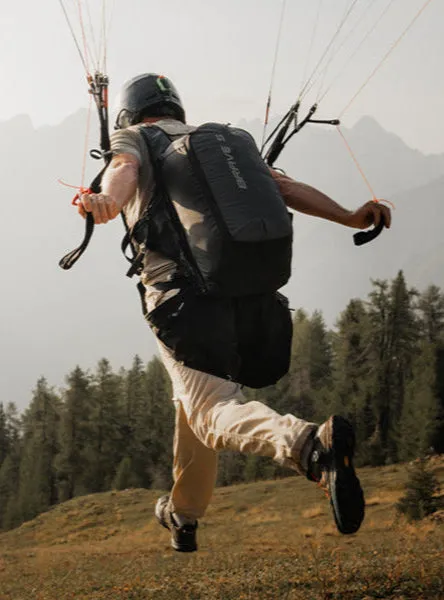
The Mito 2 is light, stable and forgiving — ideal for learning launches, ground handling and short local flights.
How do models like the Nyos 2 and Arcus 2 help cross‑country flying?
The Nyos 2 and Arcus 2 offer improved glide, crisper handling and refined aerodynamics for longer XC legs.
How Swing’s RAST makes your flying steadier
RAST (Rapid Airflow Stability Technology) helps even internal pressure across the wing and reduces sudden canopy deformation in turbulence.
What exactly does RAST do?
It routes airflow through internal ribs and channels, so cells inflate and deform more gradually, lowering the chance of abrupt collapses and keeping the wing composed.
Picture the cells filling evenly — a simple image that explains why RAST matters for handling and safety.
Who gets the most from RAST?
New pilots get calmer, more forgiving behaviour; experienced pilots gain steadier, more predictable feedback that supports precision and confidence.
Buying a Swing paraglider in Australia
Buying a Swing paraglider in Australia — purchases go through authorised dealers who sell new wings, package deals, and provide local support. Compare sizes and packages before you commit.
What about the cost of Swing paragliders and payment options?
Swing paragliders are designed to offer quality and performance. Your local authorised dealer can discuss the available models and help you understand the purchase process.
What’s included in beginner packages — and what accessories matter?
Beginner packages typically include the wing, a recommended harness, helmet and reserve parachute. Useful extras: a speed‑bar and a durable stuff sack.
What pilots say — real‑world feedback
Pilots praise handling, stability and the confidence these wings deliver — impressions that often matter more than raw specs.
How do Swing gliders feel in everyday flying?
Pilots describe Swing gliders as stable, communicative and predictable, with controlled responses in turbulence and dependable behaviour on short hops and XC days.
Which Swing models stand out for safety and handling?
The Mito 2 and Nyos 2 balance safety and handling, giving pilots intuitive feedback and confidence.
| Model | Key feature | Why it matters |
|---|---|---|
| Swing Mito 2 | Lightweight build | Easier launches and ground handling for learners |
| Swing Nyos 2 | Refined aerodynamics | Improved glide and efficiency on XC flights |
| Swing Arcus 2 | RAST‑enhanced stability | Smooths behaviour in turbulence for steadier flying |
This brief comparison highlights each wing’s strengths so you can match one to your flying goals.
Swing wings combine practical safety features with performance‑focused design — models are available for learners and for pilots targeting cross‑country performance.
Frequently Asked Questions
What should I consider when choosing a Swing paraglider model?
When selecting a Swing paraglider, consider your skill level, flying style, and intended use. Beginners may prefer models like the Mito 2 for their stability and ease of handling, while experienced pilots might opt for the Nyos 2 or Arcus 2 for enhanced performance in cross-country flying. Additionally, assess the wing's weight, size, and features such as RAST technology, which can significantly impact your flying experience. Consulting with local dealers can also provide valuable insights tailored to your needs.
How does the weight of a Swing paraglider affect performance?
The weight of a paraglider influences its performance in various ways. Lighter wings, like the Mito 2, are easier to launch and handle, making them ideal for beginners. However, heavier wings may offer better stability in turbulent conditions and improved glide efficiency. It's essential to balance weight with your flying goals; for instance, if you plan to fly long distances, a model with a slightly heavier build might provide better performance in cross-country scenarios.
Are Swing paragliders suitable for all weather conditions?
While Swing paragliders are designed for a range of conditions, they are not universally suitable for all weather. Each model has specific performance characteristics that make it better suited for certain conditions. For example, the RAST technology in models like the Arcus 2 enhances stability in turbulent weather, but flying in strong winds or severe weather is generally not recommended for any paraglider. Always check weather forecasts and consult experienced pilots before flying in challenging conditions.
What maintenance is required for Swing paragliders?
Regular maintenance is crucial for ensuring the longevity and safety of your Swing paraglider. This includes routine inspections for wear and tear, cleaning the wing after flights, and checking the lines for fraying or damage. It's also advisable to store the paraglider in a cool, dry place to prevent degradation of materials. Following the manufacturer's guidelines and consulting with your dealer for specific maintenance tips can help keep your wing in optimal condition.
Can I customise my Swing paraglider?
Yes, many Swing paraglider models offer options for customisation, allowing you to tailor the wing to your preferences. This can include selecting specific colours, sizes, and accessories such as harnesses or speed bars. Customisation can enhance your flying experience by ensuring that the equipment fits your style and needs. It's best to discuss your options with an authorised dealer who can guide you through the available choices and help you make informed decisions.
What is the expected lifespan of a Swing paraglider?
The lifespan of a Swing paraglider can vary based on usage, maintenance, and environmental factors. Generally, with proper care, a paraglider can last anywhere from 5 to 10 years. Regular inspections and timely repairs can extend its life. However, factors such as exposure to UV light, moisture, and wear from regular use can affect durability. It's essential to monitor the condition of your wing and replace it when necessary to ensure safety and performance.
