
Comfort that lasts, performance you can trust
A correctly fitting harness supports posture, spreads load across hips and seat, and reduces pressure points so flights stay comfortable for longer. Below, we outline harness types, key comfort and safety features, and brands pilots trust for training, cross‑country and travel.
Which types of paragliding harnesses are available?
Harness designs match flying styles; choosing the right type keeps launches, thermalling and landings efficient and comfortable.
Open, reversible and pod harnesses — how do they compare for comfort?
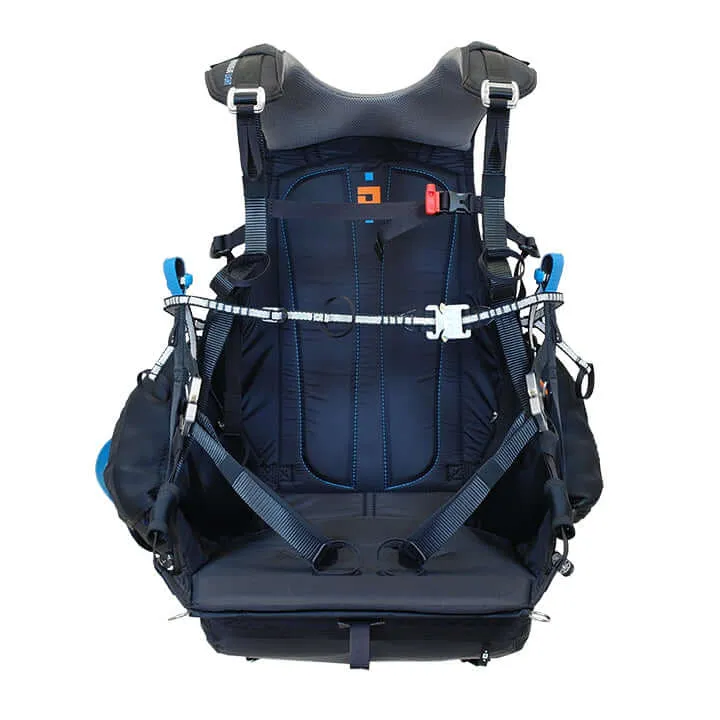
Open harnesses are light and ventilated for training and thermalling; reversible models pack as backpacks for approaches; pods cradle the pilot for better aerodynamics and long‑flight comfort.
Which harness types suit beginners and which suit experienced pilots?
Beginners often prefer open or reversible harnesses for ground handling; experienced cross‑country pilots often choose pods for glide and endurance comfort.
What comfort features should you prioritise in a harness?
Prioritise posture support, even load distribution and pressure relief to stay comfortable on longer flights.
How do lumbar support and seat plate design affect comfort?
Good lumbar shaping reduces fatigue; a well‑formed seat plate spreads weight across hips and tailbone for multi‑hour flights.
Why are adjustable straps and padding important?
Adjustable straps let you tune fit to avoid chafing and improve control; targeted padding cushions pressure areas and soaks up shock.
| Feature | Description | Benefit |
|---|---|---|
| Lumbar Support | Built‑in lower‑back shaping and reinforcement | Reduces fatigue and helps you keep good posture on long flights |
| Adjustable Straps | Multiple tuning points for a personalised fit | Prevents rubbing and keeps you comfortable during extended flights |
| Padding | Cushioned zones in the seat and back | Absorbs shock and eases pressure points |
How do safety features and comfort work together?
Safety systems should protect without impeding normal flying; the best layouts keep reserves and handles accessible but unobtrusive.
Simple, clear safety design plus pilot awareness reduces risk and improves enjoyment.
Good safety design considers handle and reserve placement so protection works when needed and stays unobtrusive otherwise.
What do airbag and foam protection systems offer?
Airbags and multi‑chamber foam liners absorb impact energy, protecting the spine and pelvis and reducing injury severity in many landings.
Do safety features add weight or limit mobility?
Some protection adds mass, but modern materials and smart layouts keep weight low while retaining effective protection and ground mobility.
Certification and load testing verify expected performance under shock and other critical conditions.
Which brands deliver the best comfort and performance?
Manufacturers balance comfort, protection and practical features differently; below are typical strengths to help match priorities to models.
What comfort features do Ozone and Niviuk harnesses offer?
Ozone emphasises refined lumbar shaping, clear strap tuning and integrated airbag options; Niviuk focuses on lightweight materials and ergonomic shaping.
How do Dudek and GIN harnesses compare?
Dudek focuses on robust protection systems; GIN targets ultra‑light construction with comfort details for cross‑country pilots.
| Brand | Key Features | Comfort Level |
|---|---|---|
| Ozone | Refined lumbar support, easy tuning, integrated protection | High |
| Niviuk | Lightweight materials, ergonomic shaping, protective options | High |
| Dudek | Robust protection systems, ergonomically planned layouts | Medium‑High |
| GIN | Ultra‑light construction, comfort‑focused design | High |
Match harness type and features to your flying style, try models with your usual kit, and prioritise certified protection. If shopping, Paragliding Shop stocks a broad range from trusted makers.
Frequently Asked Questions
What should I consider when selecting a harness for different weather conditions?
Check insulation, breathability and coverage: pods offer better wind and rain protection; open harnesses ventilate better in heat. Prefer water‑resistant materials for wet conditions.
How do I know when to replace my paragliding harness?
Replace or service the harness if webbing frays, buckles crack, stitching fails, or after significant hard landings; follow manufacturer guidance (commonly a detailed check every 5–10 years).
What role does harness design play in injury prevention?
Design controls landing‑force distribution: lumbar support, padded seat plates and airbags spread loads and reduce peak forces on spine and pelvis.
Are there specific features that enhance comfort for long‑distance flights?
For long flights, choose reliable lumbar support, a shaped seat plate, adjustable straps, breathable fabrics, and integrated storage for comfort and convenience.
What are the advantages of using a reversible harness?
Reversible harnesses convert to backpacks for easier approaches and hikes without sacrificing core comfort or protection.
How can I improve my harness's fit for optimal performance?
Start with straps loose, then tighten shoulder and leg straps to a secure, comfortable position. Align the lumbar support and seat plate, test with your reserve, and make small adjustments.
What are the benefits of using a harness with an airbag system?
An airbag system absorbs crash energy and reduces peak forces on the spine and pelvis, helping soften impacts from turbulence or hard landings.
What are the key considerations for harness selection based on flying style?
Consider where and how you fly: open for training/thermalling, reversible for hiking to launch, pod for cross‑country aerodynamics and all‑day comfort.
How can I ensure my harness is safe for use?
Inspect webbing, buckles and stitching regularly, follow maintenance schedules, and have a qualified technician inspect the harness after hard landings.
What should I know about the impact of harness weight on performance?
Weight affects ground mobility and fatigue; lighter harnesses ease approaches, but balance weight savings against necessary protection.
How do I choose a harness that accommodates my body type?
Try several models with your gear and reserve, adjust straps for a snug but comfortable fit, and confirm lumbar and seat plate alignment with an experienced fitter if possible.
What are the benefits of using a harness with integrated storage options?
Integrated pockets keep essentials close, distribute weight evenly and reduce the need for extra bags during approaches or hikes.
How do I properly adjust my harness for optimal comfort and safety?
Begin with straps loose, put on your kit, tighten shoulder and leg straps to comfort, confirm lumbar alignment and seat plate position, and test with reserve in place.
What are the advantages of using a harness with a multi‑chamber foam system?
Multi‑chamber foam spreads impact forces progressively, lowering peak loads on the spine and pelvis while also cushioning pressure points for comfort.
What should I consider when selecting a harness for different weather conditions?
Balance insulation and coverage versus breathability; choose water‑resistant fabrics for wet weather and ventilated designs for hot conditions.
How do I know when to replace my paragliding harness?
Replace for structural damage, frayed webbing, failed buckles or after severe impacts; follow manufacturer timelines and technician advice.
What role does harness design play in injury prevention?
Good ergonomics distribute forces, keep reserves accessible and reduce peak loads, lowering injury risk in landings and incidents.
Are there specific features that enhance comfort for long‑distance flights?
Reliable lumbar support, a shaped seat plate, adjustable straps and breathable fabrics are key for sustained comfort on long flights.
How does the weight of a harness affect performance?
Weight influences approach effort and fatigue; choose lighter designs where possible, but not at the expense of required protection.
What are the advantages of using a reversible harness?
They convert to backpacks for easy transport to launches and generally retain core comfort and protection features.
How can I improve my harness's fit for optimal performance?
Fine‑adjust straps, confirm lumbar and seat alignment with your instruments and reserve, and get an experienced fitter to review if unsure.
What are the key differences between open, reversible, and pod harnesses?
Open: lightweight and ventilated; Reversible: packs to a backpack; Pod: aerodynamics and comfort for long flights. Choose by skill and typical flight duration.
How do I maintain my paragliding harness for longevity?
Inspect webbing and buckles, clean with mild soap and water, air‑dry out of the sun, store dry and have professional servicing after impacts.
What should I look for in a harness for cross‑country flying?
Prioritise steady lumbar support, a shaped seat plate, adjustable straps, sensible padding and reasonable weight; airbags or foam add protection.
Are there specific brands known for comfort in paragliding harnesses?
Ozone (adjustable lumbar), Niviuk (lightweight ergonomics), Dudek (robust protection systems) and GIN (comfort‑focused lightness) are commonly recommended—match strengths to your needs.
How do I choose the right size for my paragliding harness?
Try with your usual kit and reserve, adjust straps until secure but not restrictive, check lumbar alignment and seat plate position, and confirm fit with an experienced retailer if possible.
What are the benefits of using a harness with an airbag system?
An airbag harness reduces peak forces on the spine and pelvis, softening jolts from turbulence or hard landings and lowering injury severity in many cases.
What should I consider when choosing a paragliding harness for long flights?
Prioritise lumbar support, a shaped seat plate and adjustable straps; weigh padding and protection against added airbag/foam mass to find the right trade‑off.
How can I ensure the right fit for my paragliding harness?
Test with instruments and reserve in place, fine‑adjust straps for a secure, comfortable position, and verify lumbar and seat alignment with an experienced pilot or retailer.
Are there specific maintenance tips for paragliding harnesses?
Check for frayed webbing, worn buckles and loose stitching; clean gently, air‑dry away from direct sun, store dry and have professional checks after hard landings.
What is the importance of weight in a paragliding harness?
Weight affects ground mobility and fatigue; lighter harnesses improve mobility, but ensure the design still provides necessary protection.
How do I know if my harness meets safety standards?
Look for recognised certifications (for example, EN testing), review manufacturer load‑test data and ask experienced pilots or reputable retailers about real‑world performance.
Can I use a paragliding harness for other activities?
Some reversible harnesses serve as backpacks for approaches, but harnesses are designed for flight—always check the manufacturer’s guidance before other uses.
